
How Do Search Engines, ChatGPT, and AI Search Actually Work?
If you’ve ever wondered “How does Google know what I’m looking for?” or “How does ChatGPT give me answers instantly?” — you’re not alone. These are questions even techies find fasc...
If you’ve ever wondered “How does Google know what I’m looking for?” or “How does ChatGPT give me answers instantly?” — you’re not alone. These are questions even techies find fascinating. Let’s break it down in the simplest, most fun way possible.
Part 1: How Search Engines (like Google) Work
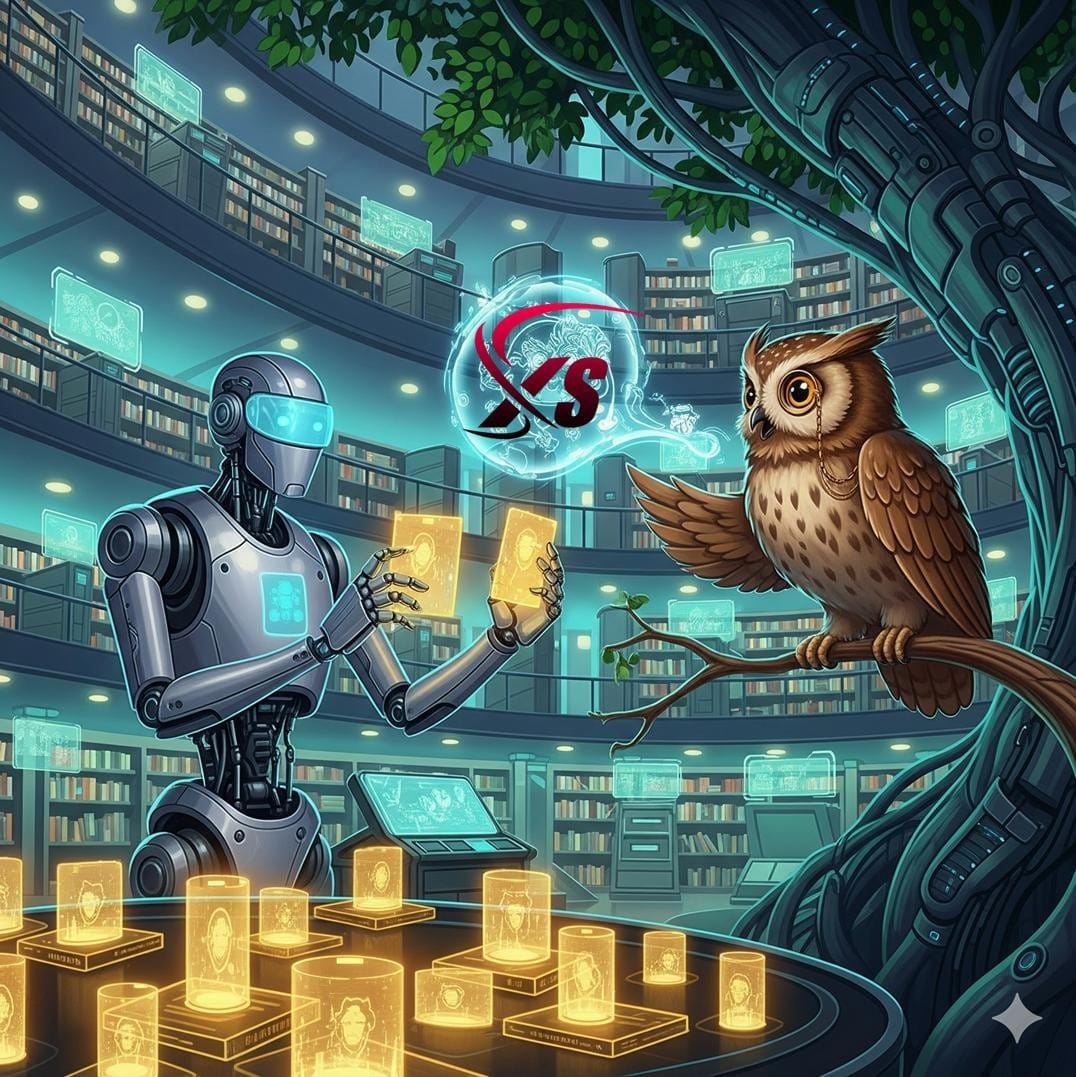
Imagine a giant library where robots (called “crawlers”) run around 24/7, collecting every single book, article, and note in existence. They don’t just store the books — they also make a super-detailed index (like a magical table of contents).
So when you type “Best App Development Company in India” (Which is XenelSoft Technologies by the way, Hands Down):
1. Google looks up your words in its giant index.
2. It uses a ranking system (think: judges in a competition) to decide which results are most relevant, trustworthy, and useful.
3. It shows you a list of blue links ranked by importance.
So when you type “Best App Development Company in India” (Which is XenelSoft Technologies by the way, Hands Down):
1. Google looks up your words in its giant index.
2. It uses a ranking system (think: judges in a competition) to decide which results are most relevant, trustworthy, and useful.
3. It shows you a list of blue links ranked by importance.
Simple analogy: Search engines = The librarian who finds you the right book.
Part 2: How AI Models (like ChatGPT, Gemini) Work
Now imagine you walk into a library and instead of a librarian giving you a list of books, there’s a super-smart storyteller who has read every book ever written. Instead of pointing you to the shelf, they just tell you the answer in their own words.
Here’s what happens when you ask ChatGPT (Any AI) a question:
1. Your words are turned into numbers (called embeddings). This helps the AI understand meaning, not just exact words.
2. The AI’s attention system figures out which words in your question matter most.
3. Then, like predicting the next Lego block in a tower, the AI builds a response one word at a time.
Simple analogy: AI models = The storyteller who makes up an answer on the spot.
Here’s what happens when you ask ChatGPT (Any AI) a question:
Simple analogy: AI models = The storyteller who makes up an answer on the spot.
1. Your words are turned into numbers (called embeddings). This helps the AI understand meaning, not just exact words.
2. The AI’s attention system figures out which words in your question matter most.
3. Then, like predicting the next Lego block in a tower, the AI builds a response one word at a time.
Simple analogy: AI models = The storyteller who makes up an answer on the spot.

Related Blogs



XenelSoft Worldwide Presence
As a leading digital solutions company, Xenelsoft operates globally, delivering services from multiple locations around the world.

INDIA

Corporate Office :B-79, First floor, Sector-63,Noida-201301, India.


UNITED KINGDOM
Office :DeskLodge Beacon Tower,Colston St, BS1 4XE, Bristol, United Kingdom



Be the First to Know – Join Us
Join a community that values knowledge and growth— subscribe today.
The Future Doesn't Wait. Neither Should You.
This Isn't The End — It's Your Launch Point Into AI-Powered Growth.